Latest Projects

EPSRC Tiny UK Network
Edge AI Technology & Hardware & AI Visit EPSRC TinyML Network's page

EPSRC Green+ Network
Technology & AI & Green Spaces & HealthVisit EPSRC Green+ Network's page

EPSRC ProSensing
Low-Power, High-Speed, Adaptable Processing-In-Sensing Capability
TinyML & Neuromorphic Computing & Analog Computing

Node Learning
Decentralised Collaborative Networked Edge AI

Decentralised & Distrbuited Edge AI for Smart Farming and Agriculture
Low cost & Low Energy Smart Agriculture

Tag With Me Platform
Technology & AI, Physical Activities, Green Spaces & Health and Wellbeing Visit TagWithMe's page

AI4EastMidlands
Bringing the AI community in the EastMidlands together to attract funding and growing regional talent in AI
Visit AI 4 EastMidlands's page

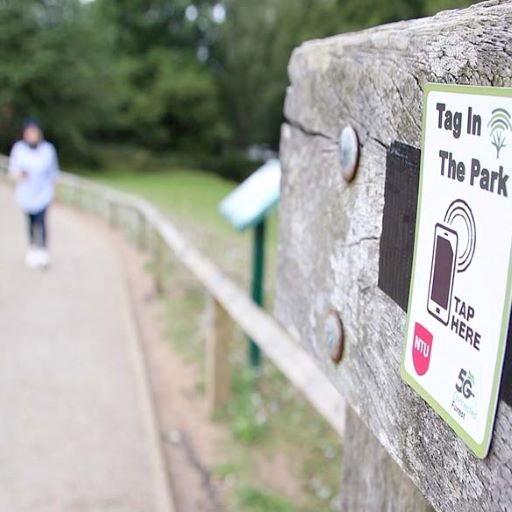
DCMS 5G Connected Forest
£10m funded project by Department for Digital, Culture, Media and Sport (DCMS), in collaboration with Nottinghamshire County CouncilLearn more about 5G Connected Forest Project

TangToys: Smart Toys that can Communicate and Improve Children's Wellbeing
Funded by ESRC eNurture Network in Collaboration with the University of Cambridge

DigitalExposome
Linking Air Pollution to health and Wellbeing usin AI, Spatial Analysis and Lowcost sensing techncologies

TinyML for Safety & Defence & Security
Working with police to tackle the potential miss use of techncologies in collaboration with the MetPolice, UCL, HomeOffice

TinyML Health Wearables, Self Management and Wellbeing
On Device Learning & Continual Leaning, No Data Sharing Model, Addaptive wellbeing Monitoring and Personalisation

Smart Cities
Smart Lighting Project funded by InnovateUK

DigitalPPE
Health and Safety

Fidgeting Interfaces
Wellbeing Monitoring

Working with hospitals in the UK and the USA to apply AI, sensing and technology in real clinical settings.
The aim is to raise productivity, improve efficiency and support health workers in daily tasks.
The work links local and remote data streams, strengthens data control and supports both decentralised and centralised processing models.
Smart Hospitals

The Construction Upskill App has been developed for the construction sector. It provides easy and instant access to training and CPD for construction workers.
The current training available consists of four short modules co-designed with the sector to provide the construction sector with insights
into collaboration and innovation and how each can be effective in driving productivity in the workplace
The Construction Upskill
Tech for Constructions & Skills

MEMO Project Inscription: Make your mark for biodiversity allows you to draw your own virtual inscription.
In doing so, you will help to explore the profound threats posed to modern biodiversity by the actions of humanity, identify emerging solutions and innovations, and provide hope for a future that is safe, joyful and fulfilling.
We're on the crest of a breaking wave of a mass extinction event, unlike anything that has been seen for 65 million years.
Portland:MEMO Project Inscription